Women in the Evolution of Radio and Receiver Engineering
From Wireless Telegraphy to Software Defined Radio
1. The Missing Half of Radio History
Open almost any book on the history of radio and the pattern quickly becomes apparent. The names are almost exclusively male. Hertz demonstrated electromagnetic waves. Marconi transformed wireless telegraphy into a practical communication system. Fleming introduced the thermionic diode, de Forest the Audion, Armstrong the regenerative and superheterodyne receiver, and the invention of the transistor is associated with Bardeen, Brattain and Shockley. It is therefore easy to conclude that women played little or no role in the technical evolution of radio.
That conclusion, however, is misleading.
It is not the history of technology that is incomplete, but rather the way it has traditionally been told. Classical histories of radio usually focus on a succession of landmark inventions: the coherer, the crystal detector, the vacuum tube, the superheterodyne receiver, the transistor and, eventually, the software-defined radio. These milestones are commonly associated with individual inventors, major patents or commercially successful products. Such a perspective naturally favours those who designed complete systems or became closely identified with a particular invention.
Modern radio engineering, however, has never been solely about receiver circuits.
The performance of every radio receiver depends on a much broader range of technologies: electromagnetic theory, antenna design, radio-wave propagation, low-noise amplification, microwave engineering, semiconductor materials, digital signal processing and communication protocols. These disciplines evolved alongside receiver design, often determining what a receiver could ultimately achieve.
Once this broader technological landscape is considered, the historical picture changes significantly. Women rarely appear as the inventors of complete broadcast receivers. Instead, they emerge at many of the critical technological turning points that shaped wireless communications. They contributed to the practical operation of early wireless stations, to the mathematical understanding of radio-wave propagation, to radar and microwave engineering during the Second World War, to semiconductor materials, antenna theory, RF measurement techniques, digital signal processing and the communication algorithms that underpin today's wireless networks [1]–[6], [10]–[16], [19]–[27].
Another reason for women's apparent absence lies in the changing nature of engineering itself. During the earliest decades of wireless telegraphy, radio equipment was often designed by individuals or very small teams. As radio technology matured, receiver development became increasingly interdisciplinary. Physicists, mathematicians, chemists, microwave specialists, semiconductor researchers and software engineers all became part of the same technological ecosystem. By the second half of the twentieth century, innovations rarely originated from a single inventor. Instead, they emerged from industrial laboratories, government research establishments and large international development teams [8], [9].
This transformation also affected historical visibility. Military secrecy during the Second World War concealed many individual contributions for decades. Corporate research laboratories frequently assigned patents and publications to the company rather than to individual engineers. In the Soviet Union and several Eastern European countries, technological achievements were commonly attributed to institutes or design bureaux instead of named researchers. Even where women held technically important positions, their work often disappeared behind institutional names, project teams or classified programmes [8], [9].
Consequently, asking “Which women invented radio receivers?” turns out to be the wrong historical question.
A more meaningful question is:
Where did women contribute to the technologies that ultimately shaped radio receivers and wireless communications?
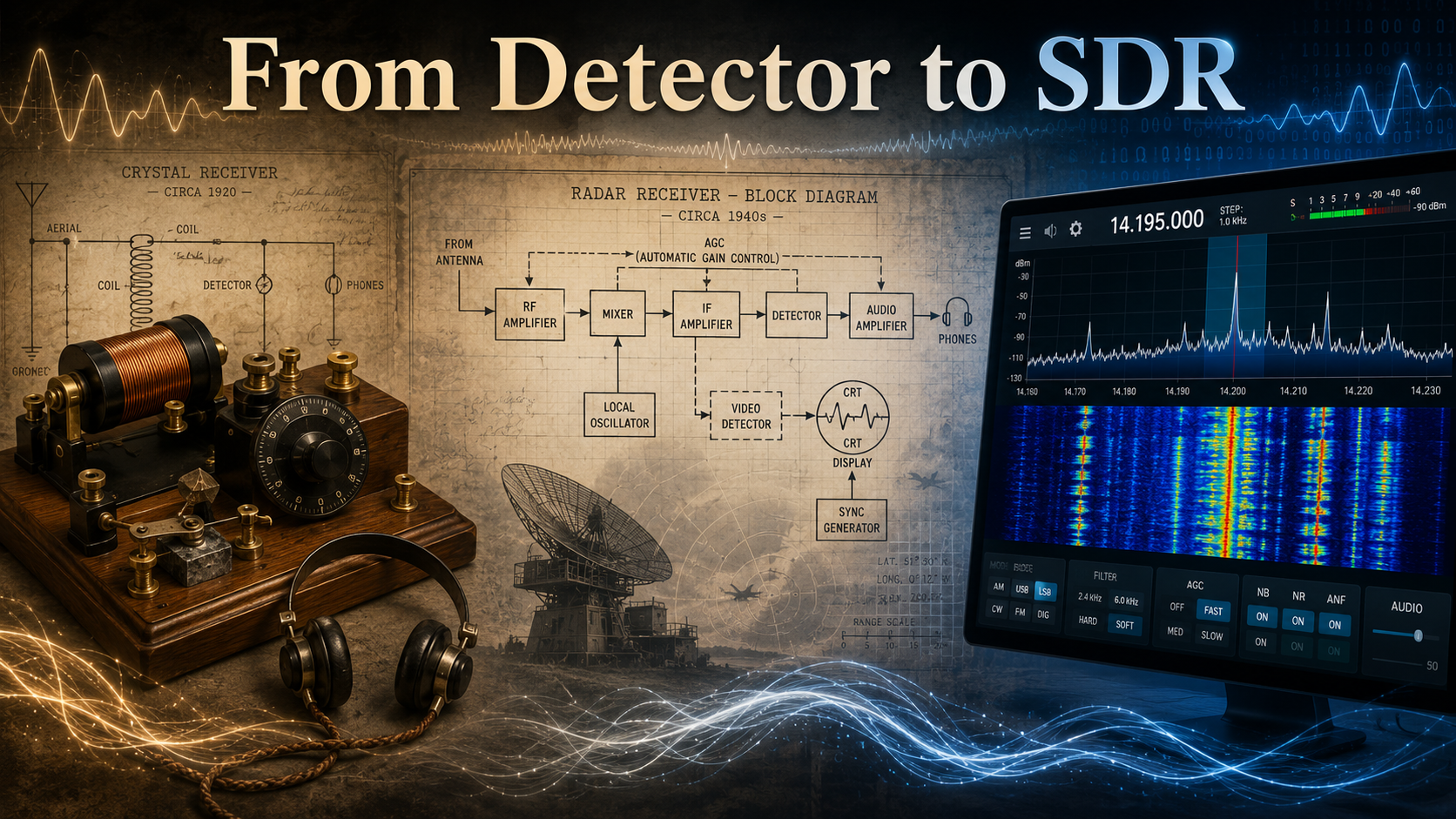
This perspective reveals a surprisingly rich and internationally diverse history. From the first generation of wireless operators and practical radio engineers to mathematicians studying ionospheric propagation; from radar pioneers and microwave engineers to semiconductor physicists and architects of modern wireless communication systems, women contributed to many of the technologies that transformed the simple crystal receiver of the early twentieth century into today's highly integrated software-defined radio.
This article therefore does not present another collection of biographies. Instead, it follows the technological evolution of radio and receiver engineering over more than a century, examining each major step in that evolution and identifying where women made demonstrable engineering contributions. Some worked directly on receiver hardware, others on antennas, propagation, microwave systems, semiconductor materials, signal processing or communication theory. Together, these contributions form an important — though often overlooked — chapter in the history of wireless technology.
2. Before Broadcasting — When Radio Meant Wireless Telegraphy
When discussing the history of radio, it is easy to imagine living rooms filled with polished wooden receivers, glowing vacuum tubes and families gathered around loudspeakers. In reality, radio began in a completely different world.
Around 1900, there was no broadcasting, no entertainment and no music. Wireless communication meant point-to-point telegraphy. Messages were transmitted in Morse code between ships, coastal stations and military installations. Radio equipment was experimental, often unreliable and required considerable technical skill to operate.
The receiver itself was remarkably simple by modern standards. A typical installation consisted of an antenna, an earth connection, one or more tuned circuits, a detector — often a coherer or later a crystal detector — and a pair of headphones. There were no amplifiers. Every improvement in sensitivity depended on better antennas, improved tuning circuits or a more sensitive detector.
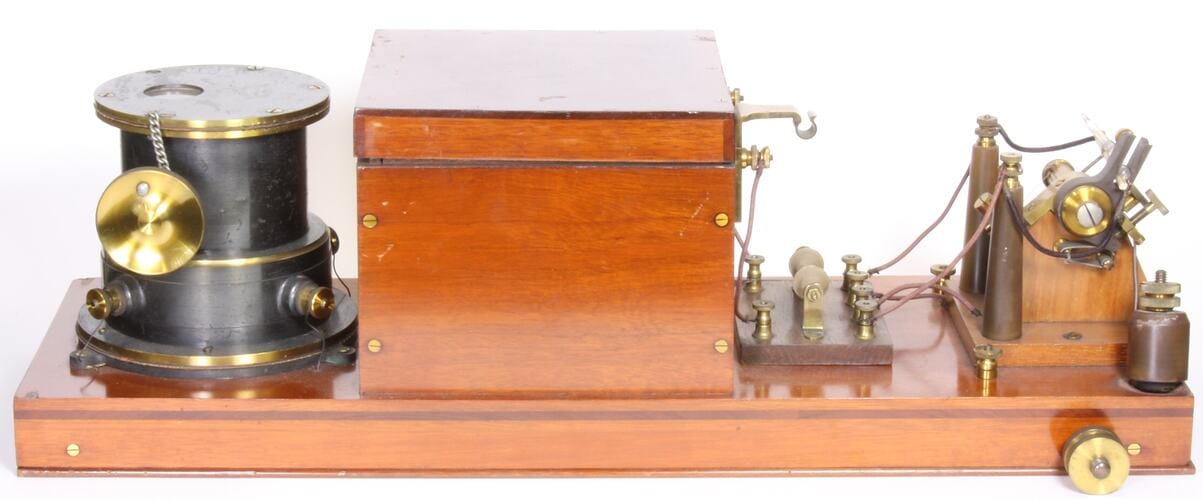
Yet operating such equipment was anything but simple. Receiving a weak Morse signal required careful adjustment of the tuning circuits, knowledge of atmospheric disturbances and constant attention to changing propagation conditions. Early wireless operators were therefore not merely users of radio equipment; they were often technicians capable of adjusting, repairing and sometimes even constructing their own apparatus.
This environment provided one of the first entry points for women into wireless technology.
Among the earliest documented examples are Annie Tucker, Graynella Packer and Hermine Templeton, who represent the early generation of women working in practical wireless operation [1]. Although they did not invent new receiver architectures, their work required an intimate understanding of early radio equipment. In the era before automatic tuning, frequency synthesisers or even vacuum-tube amplification, successful communication depended as much on the operator's technical competence as on the hardware itself.
A particularly interesting figure is Eunice Randall Thompson (1898–1982), whose career illustrates the transition from experimental wireless telegraphy to organised broadcasting. Randall joined the American Radio and Research Corporation (AMRAD) in Massachusetts at a time when the company manufactured radio receivers for amateurs and commercial users. Initially employed as a technical draughtswoman, she produced technical drawings and became involved in practical radio work at AMRAD's station 1XE, later WGI [2]. She was also an active radio amateur, later known by the call sign W1MPP [3].
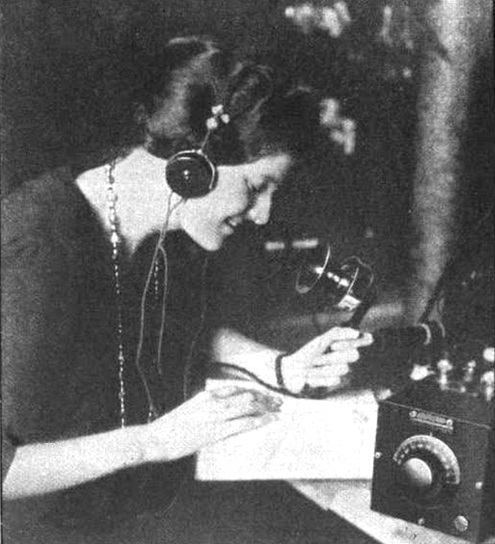
Unlike many later broadcasting personalities, Randall's work remained firmly rooted in engineering. Contemporary accounts describe her technical drawings, practical radio knowledge and involvement with AMRAD's early station work [2]. Her career demonstrates that the boundaries between operator, technician and engineer were still remarkably fluid during the pioneering years of radio.
Modern histories often distinguish sharply between engineers, operators and users. Around 1915 such distinctions hardly existed. A wireless operator was frequently expected to understand resonant circuits, detector adjustment, antenna tuning and equipment maintenance. In many cases, practical engineering experience was acquired not in universities but in radio stations, workshops and aboard ships.
Consequently, the earliest contributions of women to radio technology did not emerge from famous patents or laboratory breakthroughs. They emerged from practical engineering. Long before receiver design became a specialised discipline, women were already participating in the operation, maintenance and technical refinement of wireless equipment. Their work belonged to the everyday engineering that transformed wireless telegraphy from an experimental curiosity into a reliable communication system.
Technical Background: The Crystal Detector
One of the key inventions of early radio reception was the crystal detector. Unlike the earlier coherer, which responded mainly to strong spark signals and required mechanical resetting after each transmission, a crystal detector used the rectifying properties of certain minerals — most commonly galena, or lead sulphide — to demodulate radio-frequency signals directly.
Although extremely simple, crystal detectors offered higher sensitivity, greater reliability and no moving parts. Together with improved tuning circuits, they enabled much more selective reception and laid the technological foundation for the rapid expansion of wireless communication before the widespread adoption of vacuum tubes.

3. From Craftsmanship to Science — Mathematics Enters Radio Engineering
During the pioneering years of wireless telegraphy, successful radio communication depended largely on practical experience. Engineers experimented with antenna lengths, inductors, capacitors and detector crystals until a reliable combination was found. Much of radio engineering was still an empirical craft.
This gradually changed during the 1920s.
The rapid expansion of broadcasting, higher operating frequencies and increasing receiver sensitivity demanded a more rigorous scientific approach. Radio engineers could no longer rely solely on trial and error. The behaviour of tuned circuits, transmission lines, antennas and electromagnetic fields had to be understood quantitatively. Mathematics became an essential engineering tool.
The transformation can be illustrated by one of the most fundamental questions in radio engineering: Why can one receiver reliably receive a distant station while another, built from apparently similar components, cannot?
The answer lies not in a single component but in the interaction of many physical effects. Signal strength depends on antenna efficiency, ground conductivity, ionospheric propagation, receiver bandwidth, thermal noise, frequency stability and impedance matching. These phenomena cannot be understood by construction experience alone; they require mathematical models.
Receiver development therefore became increasingly intertwined with theoretical physics and applied mathematics.
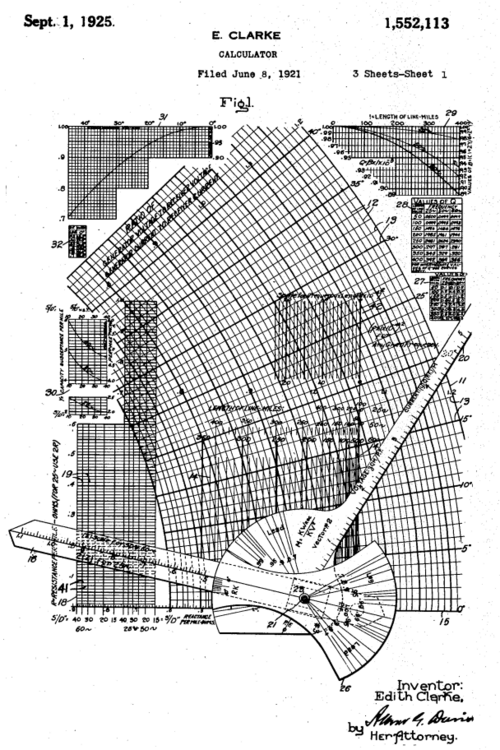
One of the pioneers of this transition was Edith Clarke (1883–1959). Although best known for her work in electrical power engineering, Clarke developed analytical methods for solving complex electrical networks at a time when numerical computation was still performed by hand. Her graphical calculator simplified the solution of transmission-line equations and demonstrated that mathematical methods could solve engineering problems that would otherwise require lengthy manual calculations [4].
Clarke did not design broadcast receivers, yet her influence reached far beyond power systems. The same circuit theory used to analyse transmission lines also underpins resonant circuits, impedance matching and network analysis in radio engineering. Her work symbolises a broader transformation: engineering was becoming increasingly predictive rather than purely experimental.
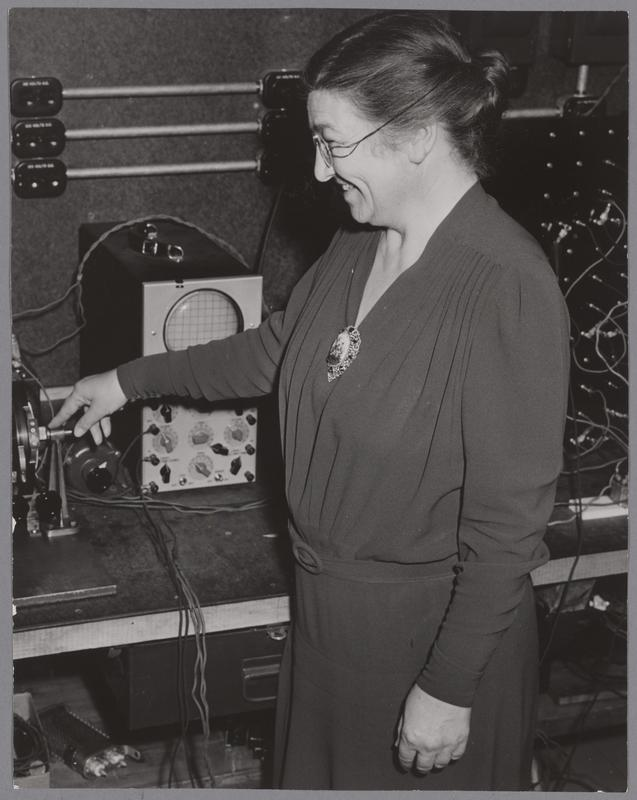
An even closer connection to radio reception is found in the work of Mary Taylor Slow (1898–1984). Working in Britain during the interwar period, Slow investigated the propagation of electromagnetic waves and published research on radio-wave transmission. At a time when long-distance communication depended critically on atmospheric conditions, her work contributed to the theoretical understanding of how radio signals travelled through the Earth's atmosphere [5], [6].
For radio engineers this was more than an academic exercise.
Broadcasting networks, maritime communication and short-wave services all relied on accurate predictions of signal propagation. The quality of a receiver no longer depended solely on its circuitry but also on understanding the physical medium through which the signal travelled.
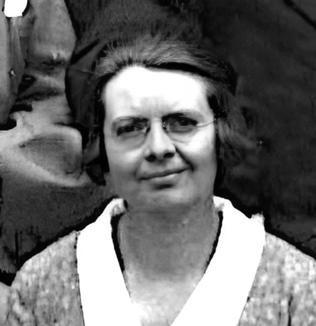
This shift represented one of the most significant changes in the history of radio. The early wireless engineer had primarily been a craftsman, improving equipment through observation and practical experience. By the 1930s, however, radio engineering had evolved into a multidisciplinary science combining electronics, physics and mathematics. Engineers increasingly worked with differential equations, vector fields and network theory alongside soldering irons and measuring instruments.
Women participated in this transformation in ways that are often overlooked. Rather than appearing as inventors of famous receiver circuits, they contributed to the scientific foundations upon which increasingly sophisticated radio systems depended. Their work made it possible to calculate, predict and optimise receiver performance before the first prototype had even been built.
In many respects, this marks the beginning of modern radio engineering.
Technical Background: Why Propagation Matters
Every radio receiver is part of a complete transmission system.
Even the most sensitive receiver cannot detect a signal that never reaches its antenna. Radio-wave propagation is influenced by frequency, terrain, atmospheric absorption, ground conductivity and — particularly at short-wave frequencies — the ionosphere.
By the 1920s and 1930s, predicting these effects had become an essential part of communication engineering. Mathematical models allowed engineers to estimate coverage areas, optimise antenna systems and select suitable operating frequencies for reliable communication. Theoretical research on propagation therefore became just as important as improvements in receiver circuitry.
Video: Radio-wave propagation through the ionosphere. A simplified NASA animation showing how radio signals can be refracted and reflected by the ionosphere, enabling reception beyond the line of sight. Credit: NASA’s Scientific Visualization Studio; visualization by Tom Bridgman, produced by Miles S. Hatfield. Source: NASA SVS, ID 5240.
4. The Broadcast Receiver Revolution — Why Women Almost Disappear from Radio History
Ironically, the period in which radio receivers became everyday household appliances is also the period in which women seem to disappear from the history of receiver engineering.
Between the early 1920s and the beginning of the Second World War, radio experienced one of the fastest technological revolutions of the twentieth century. The simple crystal detector was rapidly replaced by regenerative receivers, neutrodyne circuits and ultimately the superheterodyne architecture. Vacuum tubes became more reliable, loudspeakers replaced headphones, automatic volume control improved listening comfort, and carefully designed intermediate-frequency amplifiers dramatically increased sensitivity and selectivity.
By the late 1930s, the broadcast receiver had evolved from an experimental device assembled by radio enthusiasts into a sophisticated consumer product manufactured in millions of units.
At first glance, however, the historical record presents an unexpected contrast. The names associated with these developments are almost exclusively male. Edwin Howard Armstrong, Louis Hazeltine, Walter Schottky, Alan Blumlein, Harold Wheeler and many others dominate patents, textbooks and company histories. Compared with the pioneering era of wireless telegraphy, women appear to have vanished almost completely.
Historical evidence suggests a more nuanced explanation.
The nature of receiver development had fundamentally changed.
Early wireless equipment was often designed by individual experimenters, small workshops or amateur engineers. By contrast, the design of broadcast receivers increasingly became an industrial activity. Companies such as RCA, General Electric, Westinghouse, Philips, Telefunken, Marconi, Siemens and later Zenith, Motorola and Sony established dedicated research laboratories employing hundreds or even thousands of engineers, physicists, chemists, technical draughtspeople and technicians.
The complexity of receiver design grew accordingly.
A modern superheterodyne receiver required expertise in oscillator stability, mixer circuits, intermediate-frequency transformers, vacuum tube characteristics, shielding, mechanical construction, loudspeaker acoustics, production engineering and increasingly sophisticated measurement techniques. No single engineer designed an entire receiver. Instead, development became a collaborative effort involving specialists from many disciplines.
This organisational transformation had an important consequence for the historical record. Technical innovations became associated with laboratories, companies or project leaders rather than with every individual contributor. Patents were frequently assigned to corporations. Internal reports often remained confidential. Development teams rarely appeared in published documentation. As a result, many engineers — both men and women — became largely invisible to later historians.
For women, this effect was particularly pronounced.
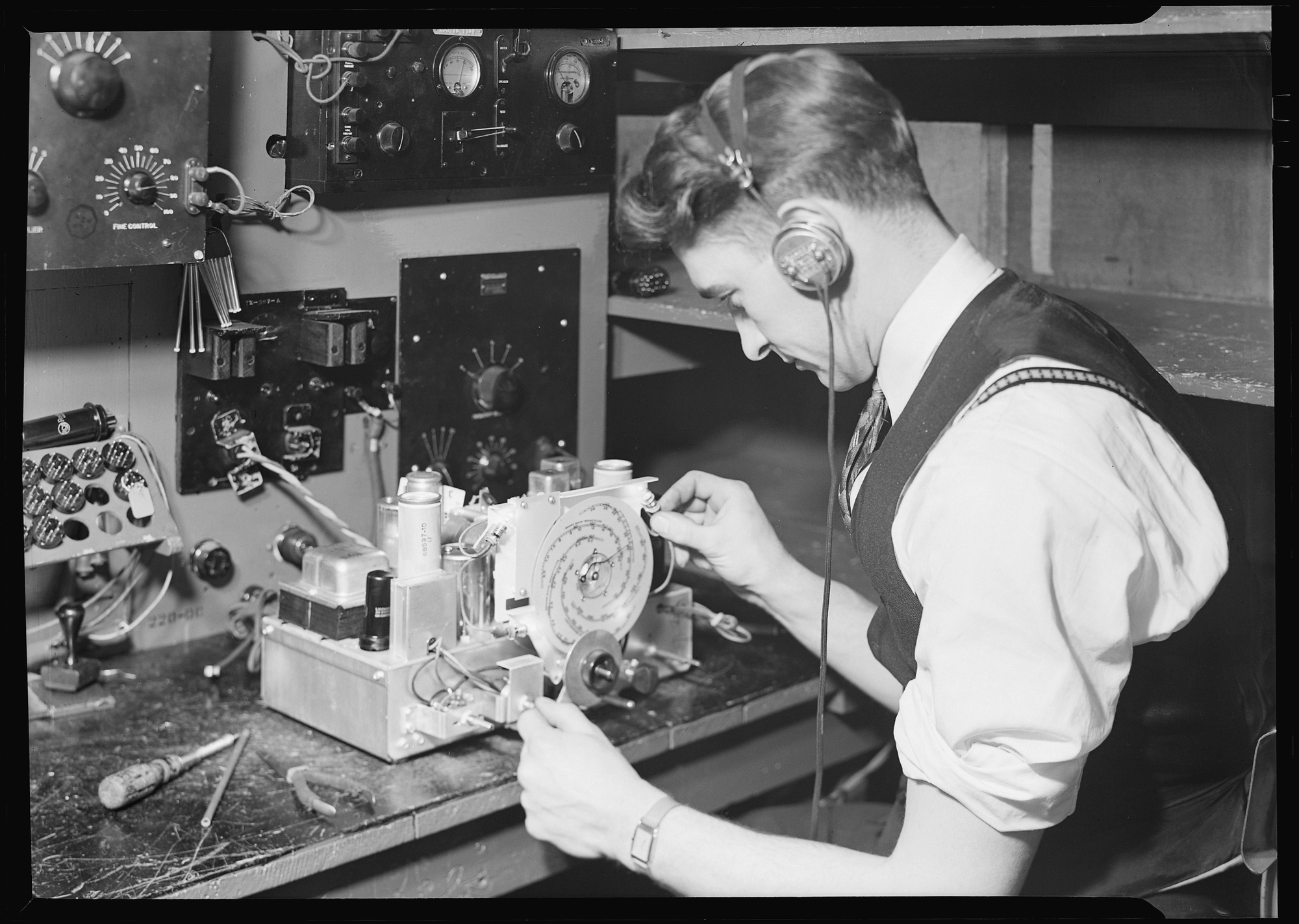
Although engineering education gradually became more accessible during the interwar years, relatively few women entered industrial electronics research. Those who did were often employed as technical illustrators, laboratory assistants, physicists, mathematicians or measurement specialists rather than as project leaders. Their contributions were therefore less likely to appear in patents or company histories, even when they played important technical roles within development teams.
This pattern can also be observed internationally.
In Western Europe and North America, large industrial research laboratories increasingly dominated radio receiver development. In the Soviet Union and several Eastern European countries, the situation differed organisationally but produced a similar historical outcome. Radio receivers were typically developed within state-owned research institutes, design bureaux or industrial combines. Technical achievements were commonly attributed to the institution rather than to individual engineers, making it particularly difficult to identify specific contributors [9].
Recent historical research has begun to challenge this picture. Studies of Soviet radio engineering indicate that women were more visible within technical professions than is often assumed from Western histories. However, their work was frequently documented under the names of institutes, ministries or collective design teams rather than as individual achievements. Consequently, many technically significant careers remain only partially reconstructed today [9].
The apparent absence of women from the history of broadcast receivers should therefore not be interpreted as evidence that women made no contribution. Instead, it reflects a profound transformation in the organisation of engineering itself. By the 1930s, radio receivers had become products of industrial science rather than individual invention.
This distinction is important because it changes how technological history should be written. The evolution of receiver technology can no longer be understood simply by following famous inventors. It must also consider the research laboratories, development organisations and interdisciplinary teams that made increasingly sophisticated receivers possible.
Paradoxically, the more advanced radio technology became, the more difficult it became to identify every individual who contributed to its development.
Technical Background: Why the Superheterodyne Changed Everything
Earlier tuned radio frequency (TRF) receivers amplified the incoming radio-frequency signal directly. Achieving both high gain and good selectivity at the received frequency proved increasingly difficult, especially as broadcasting expanded into higher frequencies. The superheterodyne principle solved this problem by converting every received signal to a fixed intermediate frequency (IF) using a local oscillator and a mixer stage. Amplification and filtering could then be optimised at a single frequency, greatly improving sensitivity, selectivity and stability [7].
The superheterodyne architecture also divided receiver design into specialised subsystems: RF front-end, local oscillator, mixer, IF amplifiers, detector and audio amplifier. Each subsystem required its own expertise, accelerating the transition from individual craftsmanship to collaborative engineering. This modular architecture remains the foundation of most analogue receivers today and continues to influence modern software-defined radio systems.

5. Radar, Microwaves and the Reinvention of the Receiver
The Second World War marked one of the most profound technological turning points in the history of radio engineering. Before the war, the primary objective of receiver design had been to improve the quality of communication and broadcasting. Engineers sought greater sensitivity, sharper selectivity and higher audio fidelity. Radar fundamentally changed these priorities.
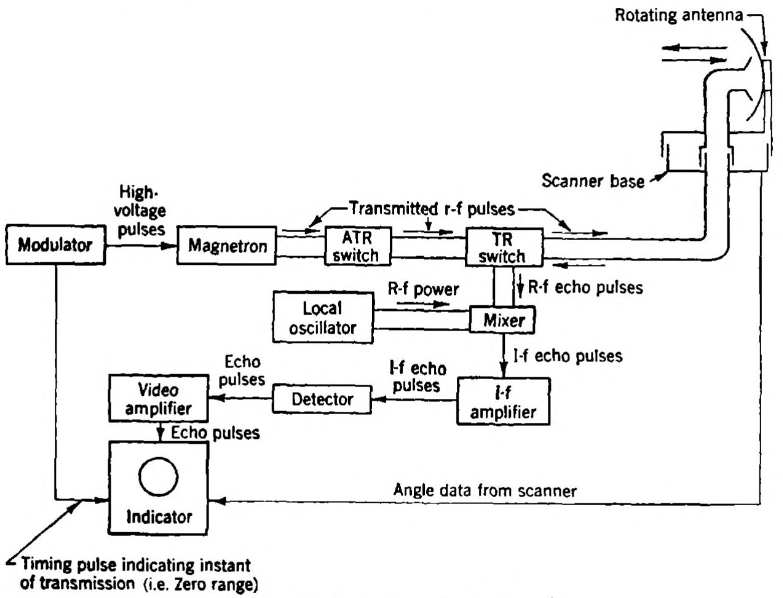
For the first time, receivers were expected not merely to reproduce information but to detect extremely weak echoes buried in noise, measure distances with microsecond precision and determine the direction of moving objects. These demanding requirements transformed receiver engineering into one of the most sophisticated branches of applied electronics. Many of the technologies now regarded as standard elements of modern RF engineering were either invented or advanced dramatically during this period. Low-noise amplifiers, stable local oscillators, microwave mixers, waveguide components, precision attenuation measurements, impedance matching and high-frequency antenna systems all benefited from wartime research [8].
Although much of this work remained classified for decades, the war also provides the first period in which the technical contributions of several women can be documented in considerable detail.
Ruby Payne-Scott — From Radar to Radio Astronomy
One of the most remarkable examples is Ruby Payne-Scott (1912–1981), an Australian physicist who joined the Radiophysics Laboratory of the CSIR during the Second World War. Her wartime work included radar problems such as the visibility of weak echoes on plan-position indicator (PPI) displays and the measurement of receiver noise [10], [11]. These were not peripheral issues: weak-signal visibility and receiver noise are central limits in any radar system.
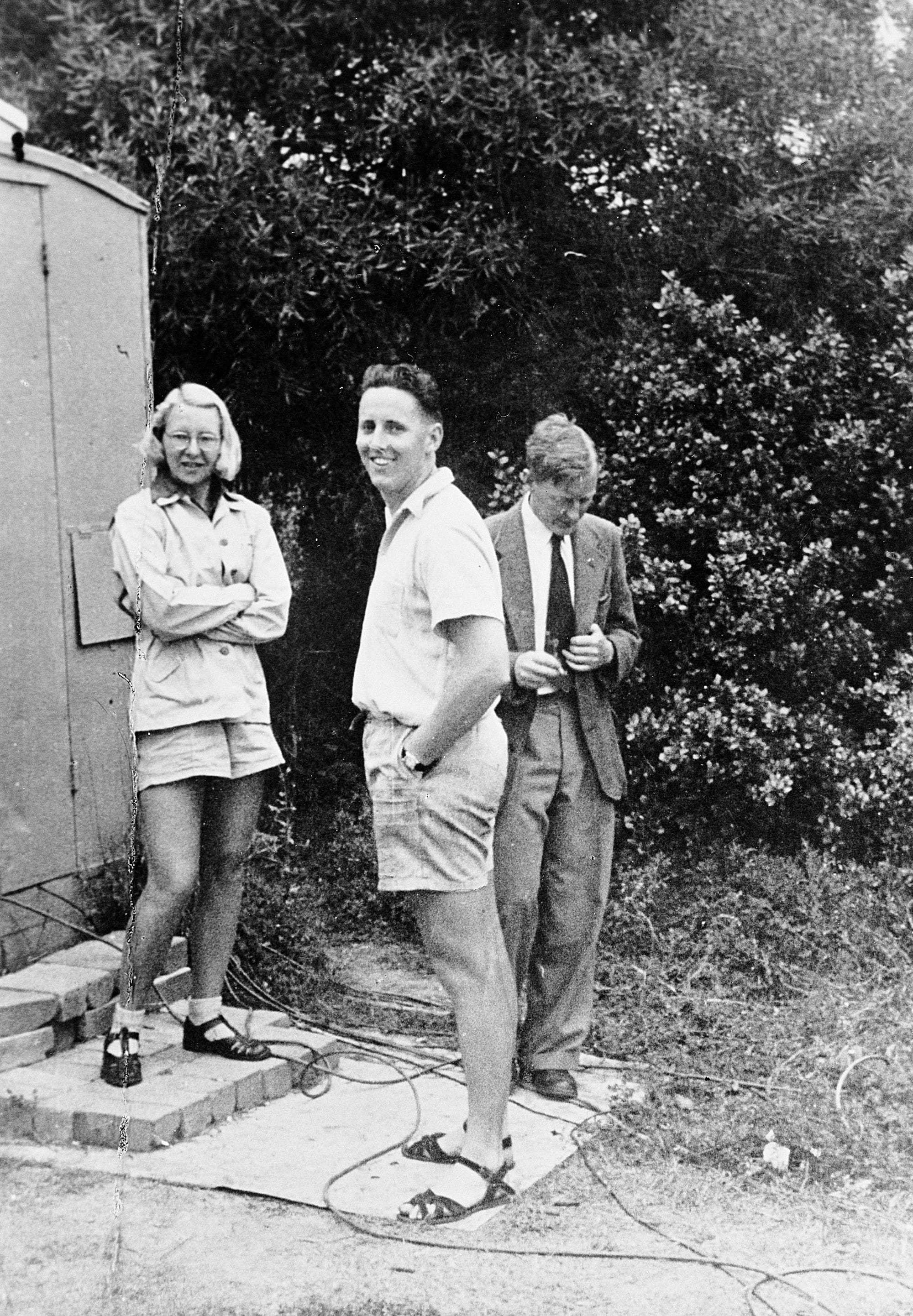
After the war, the same techniques were redirected toward scientific research. Using radar-derived equipment and methods, Payne-Scott became one of the pioneers of radio astronomy. From the perspective of receiver engineering, this represented far more than an astronomical discovery. Radio astronomy demanded receivers of extraordinary sensitivity and stability. Detecting natural radio emissions from celestial objects required technologies that were often considerably more advanced than those used in commercial broadcasting. Payne-Scott therefore illustrates an important shift in radio engineering: the receiver had become a scientific instrument.
Joan Curran — Radar Countermeasures
Radar did not only create new receiver problems; it also created new countermeasures. Joan Curran worked at the Telecommunications Research Establishment on “Window”, later known as chaff: clouds of metallic strips designed to produce false radar echoes and confuse enemy radar receivers [12]. Her work did not improve a receiver directly, but it changed the signal environment in which radar receivers had to operate. From a systems perspective, radar history includes both the receiver and the techniques developed to deceive it.
Elizabeth Laverick — Measuring the Invisible
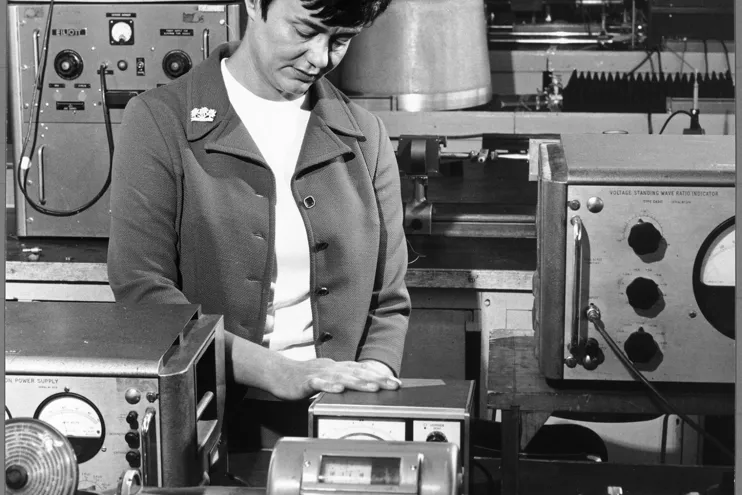
While Payne-Scott demonstrated what highly sensitive receivers could observe, Elizabeth Laverick (1925–2010) contributed to understanding how microwave systems themselves could be measured and optimised. Laverick worked on microwaves, radar and guided weapons, and later held senior technical roles in radar research and microwave instrumentation [13], [14]. Her work illustrates another essential part of receiver engineering: measurement.
Every modern receiver depends on accurate measurement. Noise figure, insertion loss, antenna gain, return loss and dynamic range can only be improved if they can first be measured reliably. Laverick's career therefore belongs to the metrological foundations of modern RF engineering.
Rajeswari Chatterjee — Bringing Microwave Engineering to India
Another remarkable figure is Rajeswari Chatterjee (1922–2010), who helped establish microwave engineering as an academic discipline in post-independence India. At the Indian Institute of Science in Bangalore, she contributed to microwave engineering, antenna technology, electromagnetic theory and communication systems [15]. IISc accounts describe her as a pioneer who built a microwave research environment and wrote textbooks while mentoring later generations of engineers [16].
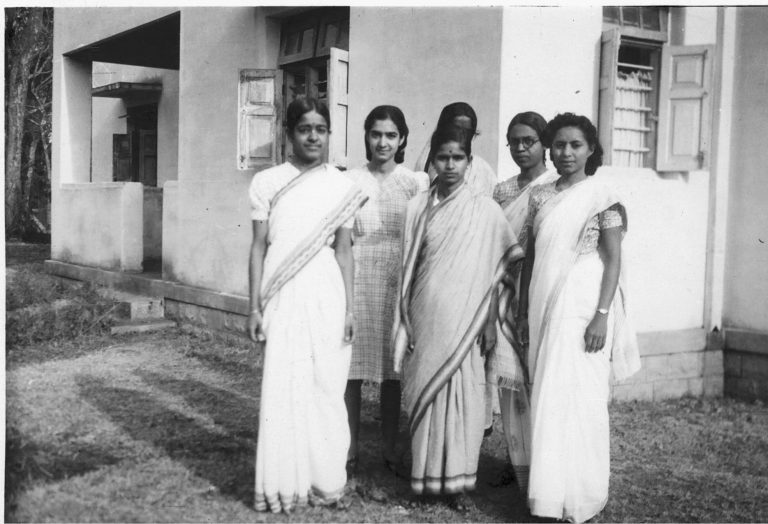
The work of Payne-Scott, Curran, Laverick and Chatterjee demonstrates a remarkable transformation. Only a few decades earlier, radio engineering had been largely synonymous with broadcast reception. During and after the Second World War, however, the receiver became something entirely different: a radar sensor, a scientific instrument, a microwave measurement system and a component of complex defence and communication networks.
This transformation also changed the role of engineers. The practical radio technician of the 1920s increasingly gave way to multidisciplinary teams combining physicists, microwave engineers, mathematicians, materials scientists and precision measurement specialists. It is within this broader technological landscape that women become much more visible — not because opportunities suddenly appeared overnight, but because receiver engineering itself had expanded into many new scientific disciplines.
Ironically, the technologies developed for military radar would later influence almost every field of civilian radio engineering. Low-noise receiver design, microwave components, antenna theory and precision RF measurement became essential not only for radar, but also for satellite communications, radio astronomy, television, mobile communications and eventually software-defined radio.
The history of the receiver had entered the microwave age.
Technical Background: Why Radar Changed Receiver Design
A conventional broadcast receiver is designed to receive relatively strong, continuously transmitted signals. Radar receivers face a fundamentally different challenge. They must detect extremely weak echoes that return only microseconds after transmission and are often buried deep within thermal noise.
Meeting these requirements demanded significant advances in receiver technology, including low-noise front-end amplifiers, highly stable local oscillators, narrow-band intermediate-frequency filters, accurate timing circuits, directional microwave antennas and precision calibration methods. Many of these developments later became standard practice in civilian communication receivers. Radar therefore accelerated the evolution of receiver technology far beyond military applications [8].
6. Beyond the Receiver — Secure Communications and the Birth of Modern Wireless Concepts
By the end of the Second World War, radio engineering had expanded far beyond conventional receiver design. Broadcasting remained important, but military communications introduced entirely new engineering challenges. Receiver sensitivity and selectivity were no longer sufficient. Engineers now had to consider an additional question:
How can a radio link remain reliable when an adversary is actively trying to intercept or jam it?
This problem fundamentally changed the way engineers thought about wireless communication. Instead of treating the transmitter and receiver as independent devices, they increasingly regarded them as two parts of a coordinated communication system. Synchronisation, coding, timing and signal structure became just as important as amplifier gain or receiver sensitivity.
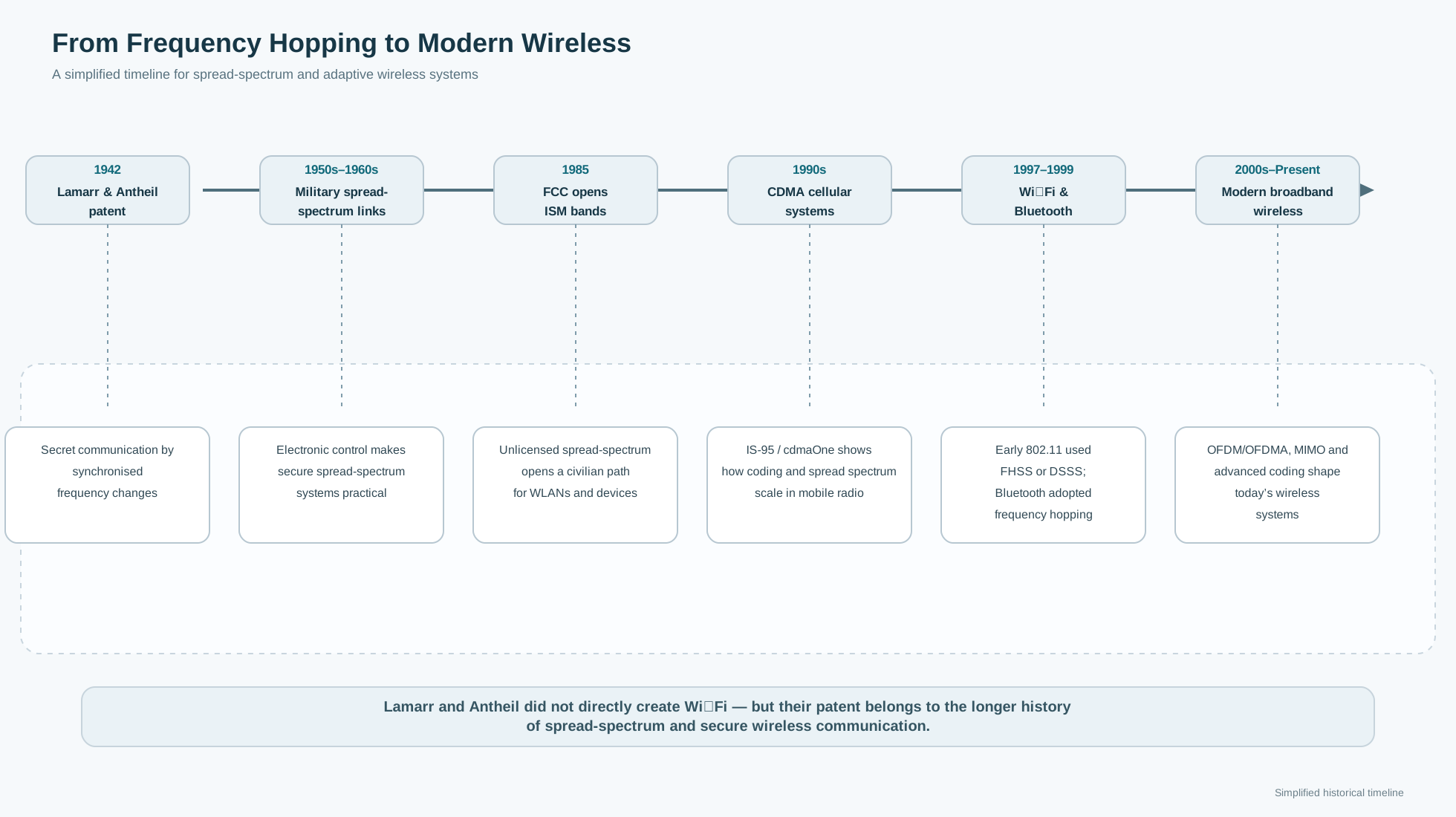
One of the earliest and most frequently cited contributions in this area is the work of Hedy Lamarr (1914–2000) and the American composer George Antheil. In 1942 they were granted U.S. Patent 2,292,387, entitled “Secret Communication System”. The patent describes a method of secret communication involving carrier waves of different frequencies and explicitly mentions remote control of craft such as torpedoes [17].

Today this principle is known as frequency hopping, one member of the broader family of spread-spectrum communication techniques.
The concept itself was remarkably forward-looking. At the time, most radio transmitters operated on fixed frequencies. Frequency changes were slow and usually performed manually. Lamarr and Antheil instead proposed a synchronised system in which transmitter and receiver changed frequencies automatically and repeatedly during communication. Their patent even suggested a mechanical synchronisation method inspired by player-piano rolls, reflecting Antheil's experience with automatic musical instruments [17].
Although ingenious, the invention did not immediately transform military communications. The U.S. Navy considered the system too complex for wartime implementation, and the patent remained largely unused during the conflict. Only decades later, after the development of reliable electronic frequency synthesisers and digital control circuits, did frequency hopping become practical for large-scale military communication systems.
This historical sequence is important.
Popular accounts frequently claim that Hedy Lamarr “invented Wi-Fi” or “invented Bluetooth.” Such statements considerably oversimplify the history of wireless communications. Modern wireless technologies rely on a wide range of innovations that were unknown in 1942: integrated circuits, digital modulation, forward-error correction, packet switching, high-speed digital signal processing, spread-spectrum coding, multiple access techniques and sophisticated communication protocols [18].
Nevertheless, the historical significance of Lamarr's work should not be underestimated. Her patent introduced an important conceptual shift. It recognised that communication reliability could be improved not only by designing better receivers but also by coordinating the behaviour of transmitter and receiver. This systems-oriented perspective would later become one of the defining characteristics of modern wireless communications.
The distinction is subtle but fundamental.
Classical receiver engineering focused primarily on extracting the desired signal from noise and interference. Modern communication engineering increasingly attempts to prevent interference in the first place by designing signals that are inherently more robust, more secure or more resistant to intentional jamming.
In this sense, Lamarr's contribution belongs less to the history of the broadcast receiver than to the emerging discipline of communication systems engineering.
The decades following the Second World War saw this philosophy expand dramatically. Frequency hopping evolved into a family of spread-spectrum techniques that included direct-sequence spread spectrum, code-division multiple access (CDMA) and later multiple-input multiple-output (MIMO) systems. Together with digital signal processing, these concepts became essential components of satellite navigation, military communications, mobile telephony and wireless computer networks.
The radio receiver itself also changed. Instead of acting merely as an analogue circuit tuned to a single frequency, it became an adaptive signal processor capable of synchronising with complex modulation schemes, decoding coded transmissions and cooperating dynamically with the transmitter.
The transition from receiver engineering to communication systems engineering had begun.
Technical Background: Frequency Hopping Explained
In a conventional radio link, both transmitter and receiver remain on a fixed carrier frequency throughout the transmission.
In a frequency-hopping system, both ends switch rapidly between many carrier frequencies according to an identical pseudo-random sequence known only to the communicating devices.
If transmitter and receiver remain synchronised, communication proceeds normally. A receiver that does not know the hopping sequence receives only brief fragments of the signal, while a jammer must either predict the next frequency or jam the entire frequency band simultaneously.
Frequency hopping therefore improves resistance against narrowband interference, intentional jamming and interception. Today it forms part of many military communication systems and has influenced several civilian wireless standards.

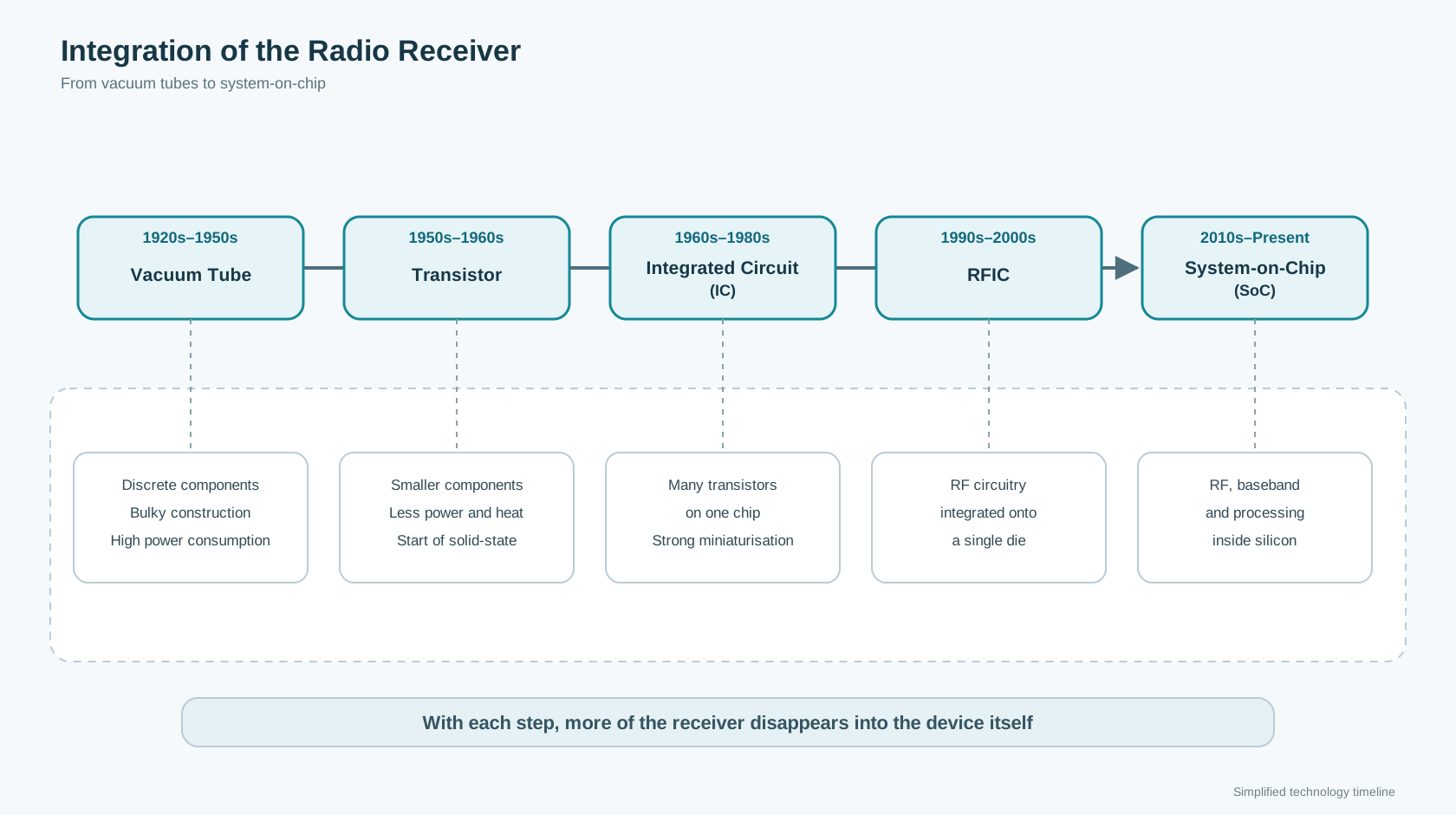
7. From Vacuum Tubes to Silicon — Semiconductors Transform the Radio Receiver
The invention of the transistor is often described as the beginning of modern electronics. While this statement is broadly correct, its impact on radio receivers reached far beyond replacing vacuum tubes with smaller semiconductor devices.
The transistor fundamentally changed how receivers were designed.
Until the late 1940s, receiver development had largely been an exercise in circuit engineering. Designers selected valves, transformers, tuned circuits and passive components, optimising each stage individually. Every improvement required careful balancing of gain, stability, bandwidth and manufacturing tolerances.
Semiconductor technology gradually shifted this focus.
Instead of designing increasingly sophisticated discrete circuits, engineers began developing the electronic devices themselves. Material purity, crystal growth, semiconductor junctions and manufacturing processes became just as important as receiver schematics.
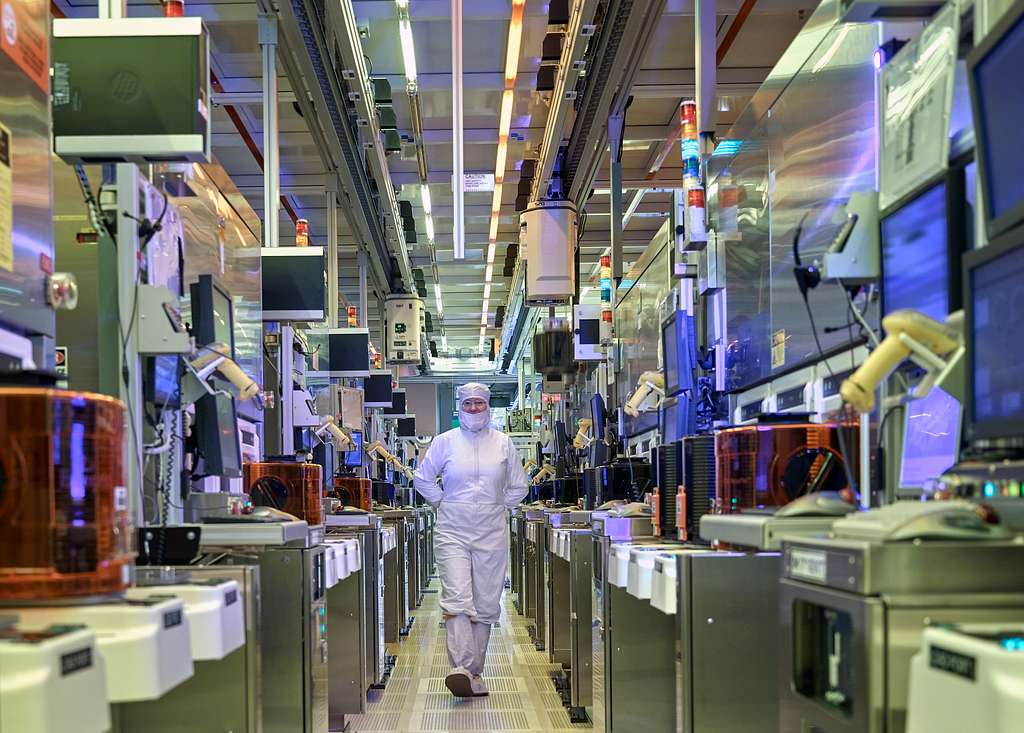
Receiver engineering was no longer confined to the radio laboratory — it had entered the semiconductor factory.
The Material Behind the Receiver
Every transistor, mixer, detector diode and integrated circuit begins with a semiconductor crystal.
The performance of a receiver ultimately depends on material properties that are invisible to the user: crystal defects, carrier mobility, doping concentration, thermal stability and noise characteristics.
During the second half of the twentieth century, enormous effort was devoted to improving semiconductor materials. These developments enabled lower-noise amplifiers, higher operating frequencies and increasingly complex integrated circuits.
One of the leading figures in this field was Lin Lanying (1918–2003), a pioneer of semiconductor materials research in China. Working at the Institute of Semiconductors of the Chinese Academy of Sciences, she contributed to the development of monocrystalline semiconductor materials, including silicon and gallium arsenide, materials that later became essential for microelectronics, optoelectronics and high-frequency devices [19].

Although her work was several technological layers removed from the finished receiver, its importance can hardly be overstated. Without reliable semiconductor materials, modern RF transistors, low-noise amplifiers and microwave integrated circuits would simply not exist.
This illustrates another recurring theme in the history of radio engineering. As technology advanced, the most important innovations often moved further away from the visible receiver itself.
The Rise of the Integrated Receiver
The introduction of integrated circuits during the 1960s and 1970s accelerated this transformation. Functions that had previously required dozens of discrete components — RF amplification, mixing, intermediate-frequency filtering, detection and audio amplification — could now be combined within a single device.
Receiver design became increasingly interdisciplinary. Circuit designers collaborated with semiconductor physicists, process engineers, chemists, lithography specialists and manufacturing engineers. Performance improvements no longer depended solely on clever circuit topologies but also on advances in fabrication technology.
For historians, this shift has an important consequence. Individual contributions became even harder to identify. Integrated circuits emerged from large industrial development programmes involving hundreds of specialists, each responsible for a small part of the overall design.
The image of the lone radio inventor disappeared almost completely.
Beyond Components: Understanding the Physics
Among the scientists contributing to this new era was Shirley Ann Jackson. Working at Bell Laboratories, Jackson conducted research in theoretical physics and condensed matter physics during a period when semiconductor devices were becoming increasingly sophisticated [20], [21]. Although she did not design radio receivers directly, her work contributed to the broader scientific environment in which modern microelectronics developed.
Bell Laboratories exemplified the changing nature of engineering. Unlike the workshops of the early wireless era, Bell Labs brought together physicists, chemists, mathematicians, materials scientists and circuit designers under one roof. Innovations emerged not from isolated inventors but from collaborative research environments where advances in one discipline rapidly influenced many others.
Modern receiver technology is largely a product of this interdisciplinary model.
From Radio Circuit to System-on-Chip
By the 1980s and 1990s, the classical receiver schematic familiar from radio textbooks had begun to disappear.
Entire analogue signal chains were integrated onto single silicon chips. Phase-locked loops replaced mechanical tuning mechanisms. Digital frequency synthesis eliminated variable oscillators. Surface acoustic wave filters provided highly stable intermediate-frequency filtering. Eventually, analogue signal processing itself began to migrate into the digital domain.
The receiver had become a highly integrated electronic system rather than a collection of individually recognisable circuits.
This transformation also broadened the range of engineering disciplines involved in receiver development. Materials science, semiconductor physics and integrated circuit design had become just as important as classical radio-frequency engineering. Women increasingly appeared within these fields — not necessarily as designers of complete radios, but as contributors to the scientific and technological foundations upon which modern receivers depend.
In this sense, the evolution of the semiconductor receiver mirrors the broader history presented throughout this article. The further radio technology progressed, the less visible individual receiver circuits became — and the more important the underlying technologies proved to be.
Technical Background: Why Gallium Arsenide Changed RF Electronics
For many decades, silicon dominated electronic circuit design. However, as receiver operating frequencies entered the microwave region, silicon transistors approached their physical limits.
Gallium arsenide (GaAs) offers significantly higher electron mobility than silicon, allowing transistors to operate at higher frequencies while often providing favourable noise performance. This made GaAs particularly attractive for low-noise amplifiers, satellite receivers, microwave links, radar systems, early mobile communications and high-frequency integrated circuits.
Although modern CMOS technologies have regained much of this territory, GaAs remains important for many specialised RF applications. The development of high-quality semiconductor crystals was therefore a crucial prerequisite for modern receiver technology.
8. The Receiver Becomes Software — From Integrated Circuits to Software Defined Radio
By the late twentieth century, radio engineering entered another period of profound transformation.
For almost one hundred years, improvements in receiver performance had largely been achieved through better hardware. Vacuum tubes became transistors, transistors became integrated circuits, and integrated circuits evolved into highly complex radio-frequency system-on-chip devices. Yet despite these technological advances, the underlying architecture of most receivers remained surprisingly familiar. Antennas, amplifiers, mixers, filters and detectors were still realised as dedicated analogue circuits.
Digital electronics changed this paradigm.
Instead of processing the received signal entirely in hardware, an increasing number of receiver functions migrated into software. Operations that had previously required carefully designed analogue circuits — filtering, demodulation, frequency correction, synchronisation and even parts of the detection process — could now be implemented mathematically using digital signal processing.
The receiver was no longer defined solely by its circuitry.
It became a programmable instrument.
From Hardware to Algorithms
The emergence of fast analogue-to-digital converters and increasingly powerful digital signal processors during the 1980s and 1990s fundamentally altered receiver design.
Where earlier generations of engineers optimised coils, transformers and ceramic filters, receiver designers now developed algorithms.
Finite impulse response filters replaced analogue filter networks. Fast Fourier Transforms allowed entire frequency spectra to be analysed in real time. Adaptive equalisation compensated for propagation effects. Automatic frequency control became a software function rather than an analogue feedback circuit.
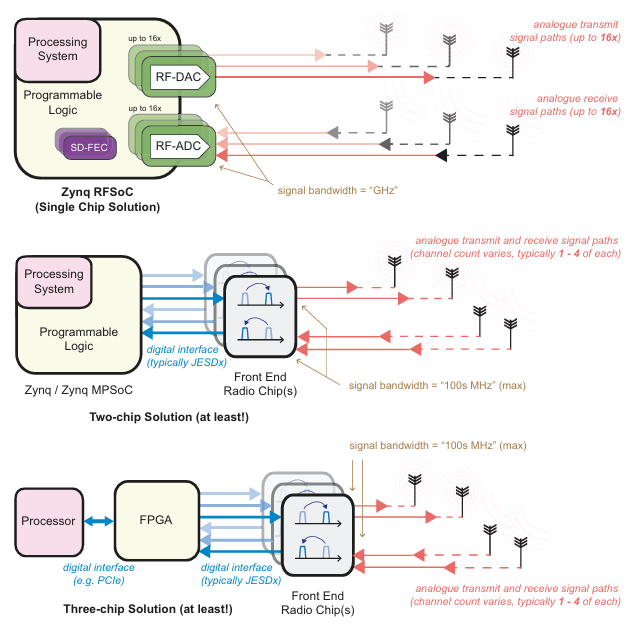
This transformation did not eliminate radio-frequency engineering. On the contrary, analogue front-end design remained essential. Every software-defined receiver still requires an antenna, low-noise amplification, frequency conversion and analogue-to-digital conversion. What changed was the distribution of complexity. Increasingly sophisticated mathematical processing replaced hardware that had once occupied entire circuit boards.
The distinction between hardware and software became progressively blurred.
Communication Theory Becomes Receiver Design
As receivers became digital systems, communication theory assumed a far more prominent role. Reliable reception now depended not only on sensitivity and selectivity but also on synchronisation algorithms, error-correcting codes, adaptive filtering and efficient spectrum utilisation.
Several women made internationally recognised contributions in these areas.
Teresa Meng, professor at Stanford University, became one of the important figures in low-power digital and mixed-signal design for wireless communication. Her work connected low-power signal processing, VLSI implementation and practical wireless systems [22]. She was also involved in the development of highly integrated wireless LAN technology, including all-CMOS 802.11a chipset work [23].
Andrea Goldsmith's work advanced the theory and practice of modern wireless communication systems. Her research on adaptive modulation, multiple-antenna systems, fading channels and cognitive radio helped shape techniques that are now central to cellular and Wi-Fi systems [24], [25]. Unlike the engineers of the vacuum-tube era, researchers such as Meng and Goldsmith rarely designed complete radio receivers as physical objects. Instead, they developed mathematical and architectural methods allowing receivers to adapt dynamically to changing radio channels.
Marian Croak represents another part of the same transformation: the movement from radio as hardware to communication as a networked system. Her work on Voice over Internet Protocol contributed to the packet-based transmission of voice and to the broader convergence of speech, data and networked communication [26]. For modern wireless devices, the received signal is only the first layer; the complete user experience depends on protocols, packet handling, error recovery, latency management and network architecture.
This represents a profound conceptual shift.
The receiver itself had become an intelligent system.
Beyond Analogue Thinking
The transition to software-defined radio also changed the way engineers approached new receiver designs. In the classical era, developing a new receiver architecture often required new hardware, redesigned printed circuit boards and extensive laboratory testing.
Software-defined radio introduced a radically different approach.
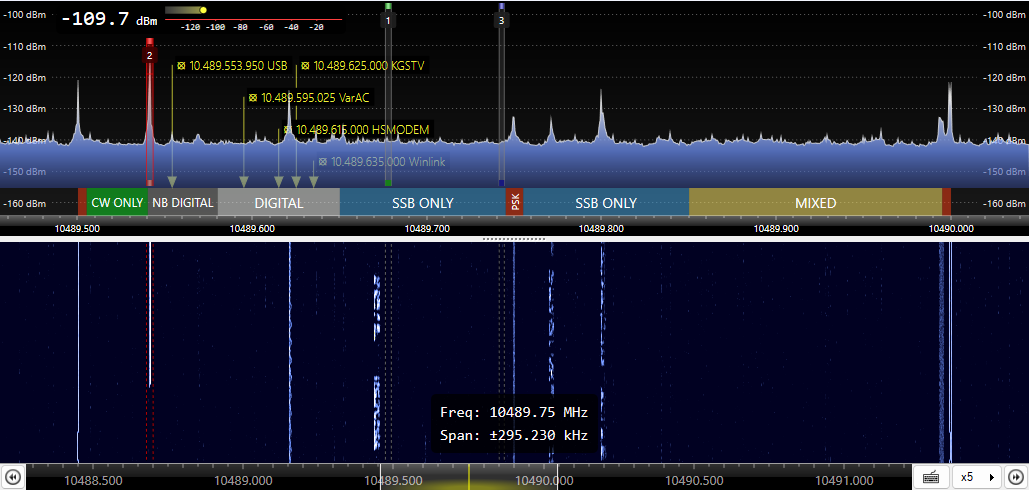
Many receiver concepts could now be evaluated simply by modifying software. A new demodulator became a computer program rather than a new circuit. Filter bandwidths could be altered without changing a single component. Entire communication standards could be implemented on the same hardware platform.
This flexibility dramatically accelerated innovation. Modern SDR platforms are capable of receiving broadcast radio, amateur radio, satellite signals, aircraft transmissions, navigation satellites and digital communication standards using essentially the same hardware. The receiver is defined primarily by its software rather than by dedicated analogue circuitry [27].

The Modern Communication Engineer
The evolution towards software-defined radio also transformed the engineering profession itself.
Where early radio engineers specialised in resonant circuits and vacuum tubes, today's receiver designers combine expertise from many disciplines: radio-frequency engineering, semiconductor electronics, digital signal processing, information theory, computer science, software engineering, embedded systems and communication protocols.
This interdisciplinary environment has significantly broadened opportunities for engineers from diverse educational backgrounds. Women increasingly appear not as isolated pioneers but as leaders of research groups, university laboratories and industrial development teams working on advanced wireless systems.
The technological landscape envisioned throughout this article has therefore come full circle.
The earliest wireless operators adjusted tuning coils by hand while listening for faint Morse signals.
Today's engineers optimise adaptive algorithms capable of processing billions of mathematical operations per second.
Yet the underlying objective remains remarkably familiar.
A radio receiver still performs the same fundamental task as it did more than a century ago:
It extracts meaningful information from electromagnetic waves.
The methods have changed beyond recognition.
The engineering challenge has not.
Technical Background: What Is Software Defined Radio?
A software-defined radio is a receiver in which as many signal-processing functions as possible are implemented in software rather than dedicated analogue hardware.
A conventional analogue receiver typically contains fixed filters, demodulators and signal-processing circuits designed for a specific communication standard. In contrast, an SDR digitises the received signal at an early stage. Once in digital form, filtering, demodulation, frequency correction, decoding and spectral analysis are performed mathematically by software running on a DSP, FPGA or general-purpose processor [27].
Although the analogue front-end remains essential, software now determines much of the receiver's functionality. This makes SDR exceptionally flexible. A single hardware platform can support multiple radio services simply by loading different software.
Today, SDR forms the technological basis of many modern communication systems, from amateur radio and satellite reception to military radios and cellular infrastructure.
9. Conclusions — A Different Perspective on Radio History
At first sight, this investigation appears to confirm a long-held assumption. Compared with the many celebrated male inventors of radio receivers, only a handful of women seem to have played a visible role in the technical history of wireless communications.
A closer examination, however, tells a different story.
The apparent absence of women is not simply the consequence of limited participation. It also reflects the way technological history has traditionally been documented. Classical histories of radio engineering naturally emphasise landmark inventions — the coherer, the Audion, the regenerative receiver, the superheterodyne, the transistor or the integrated circuit — and the individuals most closely associated with them. Such an approach inevitably favours inventors of complete systems while giving far less attention to the many enabling technologies that made those systems possible.
Radio receivers, however, have never evolved in isolation. Every major advance in receiver performance depended upon progress in related disciplines. Improvements in electromagnetic theory enabled better antenna design. Studies of radio-wave propagation expanded communication range. Radar accelerated microwave engineering and low-noise receiver technology. Semiconductor physics made highly integrated radio circuits possible. Digital signal processing transformed receivers into programmable systems, while communication theory redefined the relationship between transmitter and receiver.
It is within these broader technological developments that women appear repeatedly — and often at precisely those moments when radio engineering underwent its most significant transformations.
The earliest examples were practical rather than theoretical. Wireless operators such as Annie Tucker, Graynella Packer and Eunice Randall worked with radio equipment at a time when operating, maintaining and understanding a receiver were inseparable activities. Later generations contributed to the mathematical foundations of radio engineering, to propagation theory, microwave measurement techniques, radar, semiconductor materials, antenna engineering and communication algorithms.
This organisational transformation inevitably changed historical visibility. Many technically significant contributions disappeared behind company names, military programmes or institutional research groups. In the Soviet Union and Eastern Europe, achievements were frequently attributed to design bureaux or research institutes rather than individual engineers. In Western industry, patents increasingly became corporate assets while development reports often reflected the work of entire teams. Recovering every individual contribution is therefore unlikely to be possible.
Yet the available evidence is sufficient to challenge a widespread misconception. Women did not suddenly enter wireless technology with the digital age. They participated from the earliest years of radio, although often in areas that later histories treated as secondary: operation, measurement, theory, radar, semiconductor research or communication systems. As radio engineering became more interdisciplinary, their contributions became increasingly visible — not because the technology had become less demanding, but because modern engineering itself required a broader range of scientific disciplines.
Perhaps the most important conclusion of this study is therefore methodological.
The question is not:
Which women invented radio receivers?
A more meaningful question is:
How did women contribute to the technologies that shaped the evolution of radio receivers and wireless communications?
Viewed from this perspective, the history of radio becomes richer, more international and technically more accurate. The story is no longer limited to the evolution of individual receiver circuits. It becomes the history of an increasingly complex technological ecosystem in which advances in antennas, propagation, microwave engineering, semiconductor materials, digital signal processing and communication theory all contributed to the same objective:
extracting information from electromagnetic waves.
More than a century after the first crystal receivers, that objective remains unchanged.
Only the technology — and our understanding of those who helped create it — has evolved.
Glossary
AGC / AVC — Automatic gain or volume control; a circuit that adjusts receiver gain to compensate for changing signal strength.
Crystal detector — A passive detector using the rectifying property of a mineral such as galena to demodulate radio-frequency signals.
Detector — A circuit or device that recovers information, such as audio, from a modulated radio-frequency signal.
DSP — Digital signal processing; mathematical processing of signals in digital form.
Frequency hopping — A spread-spectrum method in which transmitter and receiver switch between frequencies according to a shared sequence.
GaAs — Gallium arsenide, a compound semiconductor important in microwave and RF devices.
IF / Intermediate frequency — A fixed frequency to which a received signal is converted in a superheterodyne receiver.
Ionosphere — Ionised region of the upper atmosphere that can refract or reflect radio waves, especially at short-wave frequencies.
LNA — Low-noise amplifier, usually the first active stage in a receiver front-end.
MIMO — Multiple-input multiple-output; a multi-antenna communication method used in modern wireless systems.
Mixer — A nonlinear circuit that combines a received signal with a local oscillator to produce sum and difference frequencies.
PPI — Plan-position indicator, a radar display showing echoes in polar format.
RFIC — Radio-frequency integrated circuit.
SDR — Software-defined radio; a radio in which some or all operating functions are implemented by modifiable software or firmware.
Spread spectrum — Communication technique that spreads a signal over a wider bandwidth, often for robustness or resistance to interference.
Superheterodyne receiver — Receiver architecture that converts incoming signals to a fixed intermediate frequency for amplification and filtering.
TRF receiver — Tuned radio-frequency receiver; an early receiver type amplifying directly at the received RF frequency.
Waveguide — A structure, often hollow metal, that guides microwave energy.
References and Further Reading
Early Wireless and First Operators
[1] Agnes Gessler, “Women’s Work in Early Radio, 1905–1913”, American Studies in Scandinavia, 2015.
[2] Massachusetts Broadcasters Hall of Fame, “Eunice Randall Thompson”.
[3] QCWA, “Eunice R. Thompson — W1MPP”.
Mathematical Foundations and Propagation
[4] National Inventors Hall of Fame, “Edith Clarke — Graphical Calculator, U.S. Patent No. 1,552,113”.
[5] University of St Andrews, MacTutor History of Mathematics Archive, “Mary Taylor Slow”.
[6] Mary Taylor, “The Appleton-Hartree formula and dispersion curves for the propagation of electromagnetic waves through an ionized medium in the presence of an external magnetic field”, Proceedings of the Physical Society, 1933/1934. See also related material in Wireless Engineer via World Radio History.
Broadcast Receiver Architecture and Industrial Research
[7] IEEE Communications Society, “Superheterodyne Patents and Applications”.
[8] MIT Radiation Laboratory Series, especially Vol. 23, Microwave Receivers. Index via Jefferson Lab and scans via Internet Archive.
[9] Ekaterina Rybkina, “Women with Transmitters: Female Engineers and the Soviet Project of Radiofication”, in Gender and Technology in the Making, Routledge, 2025. Publisher page: Taylor & Francis.
Radar, Microwaves and Measurement
[10] Ruby Payne-Scott, “The Visibility of Small Echoes on Radar PPI Displays”, Proceedings of the IRE, 1948. Accessible via IEEE and World Radio History.
[11] Australian Dictionary of Biography, “Payne-Scott, Ruby Violet”.
[12] IEEE Aerospace and Electronic Systems Society, “The History Column: Chaff”.
[13] Engineering and Technology History Wiki, “Oral-History: Elizabeth Laverick”.
[14] Engineering and Technology History Wiki, “Elizabeth Laverick”.
[15] Indian Institute of Science, ECE Department History, “Rajeswari Chatterjee”.
[16] Connect with IISc, “Remembering Rajeswari Chatterjee, IISc’s First Woman Engineer”.
Secure Communication and Frequency Hopping
[17] U.S. Patent 2,292,387, “Secret Communication System”, Hedy Kiesler Markey / George Antheil, 1942.
[18] American Scientist, “Random Paths to Frequency Hopping”.
Semiconductors and Materials
[19] Institute of Semiconductors, Chinese Academy of Sciences, “Lin Lanying”. See also Asia Research News, “Lin Lanying”.
[20] MIT Department of Physics, “Shirley Ann Jackson ’68 PhD ’73 to receive AAPT 2021 Oersted Medal”.
[21] The HistoryMakers, “Shirley Ann Jackson’s Biography”.
Digital Wireless, SDR and Communication Systems
[22] Stanford Profiles, “Teresa H. Meng”.
[23] Teresa H. Meng et al., “Design and Implementation of an All-CMOS 802.11a Wireless LAN Chipset”, IEEE Communications Magazine, 2003. Public copy: Yale / wireless readings archive.
[24] Engineering and Technology History Wiki, “Andrea Goldsmith”.
[25] Andrea Goldsmith, Wireless Communications, Cambridge University Press / Stanford material: Stanford EE359 material.
[26] National Inventors Hall of Fame, “Marian Croak”.
[27] Wireless Innovation Forum, “What is Software Defined Radio?”.